
Published 29 January 2026
Effective 6 Products Used in Early Bed Sore Care
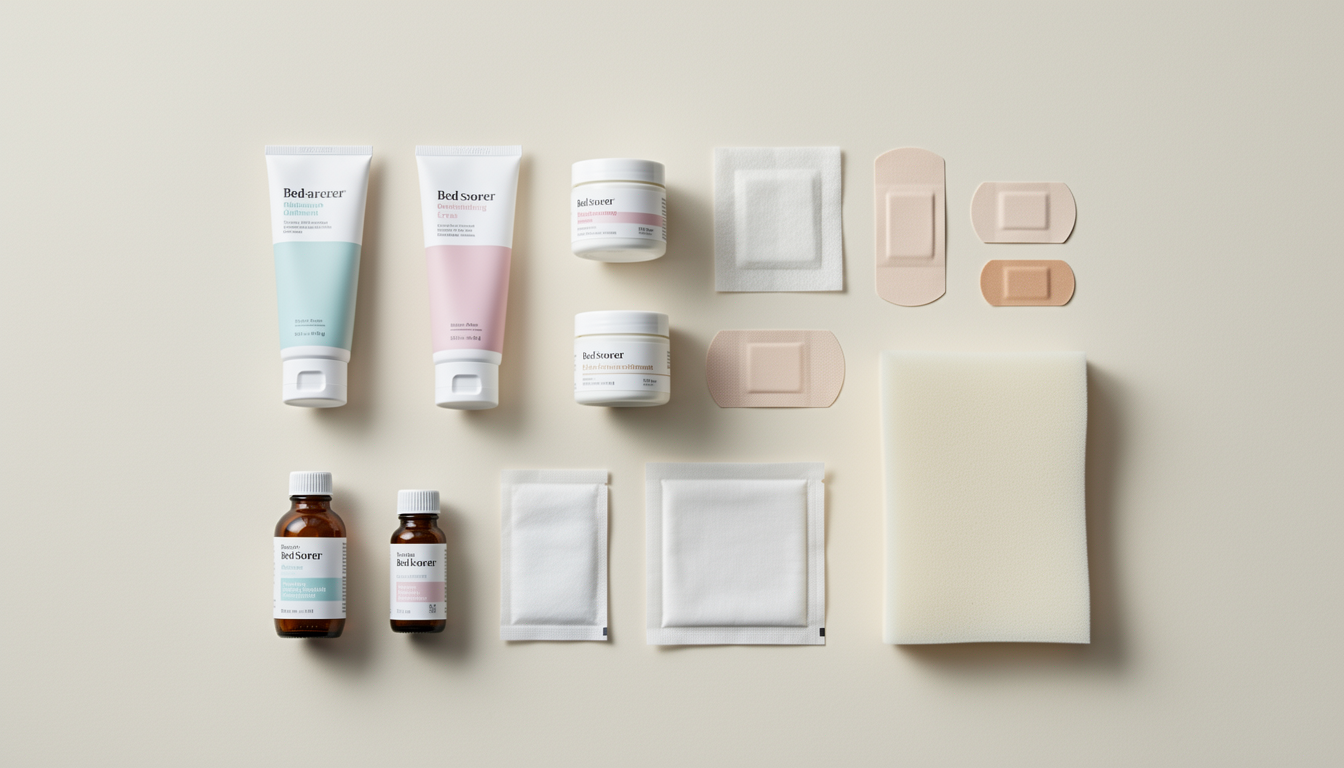
Intervening early matters for pressure ulcers: the sooner you act, the better the chance of stopping progression and helping the skin recover. The right topical treatments and dressings ease discomfort, lower infection risk, and support healing. Below are six options, described with real product details and typical recommendations for early-stage care.
1. EMUAIDMAX First Aid Ointment
EMUAIDMAX First Aid Ointment EMUAIDMAX First Aid Ointment is used for symptomatic topical relief in stubborn skin issues, including pressure ulcers. It uses a transdermal delivery system intended to help its medical-grade, naturally derived ingredients reach deeper skin layers to support repair. The formula is noted for antibacterial and antifungal activity and includes components that can reduce pain, redness, and itching.
The blend contains concentrated ingredients such as Argentum Metallicum (colloidal silver), Emu Oil, Bacillus Ferment, L-Lysine HCL, Tea Tree Oil, Phytosphingosine, and Ceramide 3, which aim to cleanse the skin surface and support a healthier microbiome. Occlusive agents like squalane and hydrogenated castor oil reduce moisture loss and soften skin, while Allantoin is included for its wound-healing support. Some reviewers point out a lack of peer-reviewed evidence for its homeopathic classification and raise concerns about colloidal silver, yet some users report noticeable improvements in pressure-related wounds within a few days. A 0.5 oz tube commonly retails around $26.99, and a 2 oz jar about $63.90.
2. Hydrocolloid Dressings
Hydrocolloid dressings are self-adhesive, flexible bandages often recommended for Stage 1 and Stage 2 pressure ulcers. They create and maintain a moist wound environment, which supports healing, while also acting as a barrier to contaminants and bacteria.
These dressings include gel-forming agents that react with wound exudate to form a gel, encouraging autolytic debridement—the body's natural removal of dead tissue. Brands such as DuoDERM and Comfeel Plus are popular because they conform to body contours and can help reduce wound size. Hydrocolloids come in various price points and multi-packs, which can make them economical for ongoing care.
3. Zinc Oxide Barrier Creams
Zinc oxide barrier creams protect skin prone to moisture-related damage, a common issue in people with incontinence. They create a protective layer that repels urine, feces, and sweat, helping to prevent irritation and breakdown.
For early-stage pressure injuries, zinc oxide ointments soothe inflamed skin and bolster the skin's barrier function. Products like Calmoseptine Ointment are frequently recommended for their protective and relieving effects. They are widely available and generally affordable, making them a practical part of prevention and early care routines.
4. Hydrogel Dressings
Hydrogel dressings are made mostly of water or glycerin and come as amorphous gels or sheets. They work well for dry wounds or wounds with minimal exudate, which you may see in Stage 2 or Stage 3 pressure injuries.
Their high water content hydrates the wound bed, creating a moist environment that supports autolytic debridement. Many people also appreciate the cooling sensation hydrogels provide, which can reduce pain. Available from multiple wound-care brands, prices vary by size and formulation, making hydrogels an accessible option when you need to add targeted moisture and comfort.
5. Silicone Foam Dressings
Silicone foam dressings—often polyurethane foam with a soft silicone adhesive—absorb exudate while offering cushioning and protection. They work well to prevent and manage early-stage pressure ulcers, especially over bony areas that face pressure and friction, such as the sacrum, heels, and elbows.
Their conformable, gentle adhesive reduces skin trauma at removal, which is important for fragile skin. They maintain a moist wound environment without causing maceration of surrounding healthy skin. Although typically more expensive than basic dressings, their added protection and comfort make them a common choice among clinicians.
6. Triple Antibiotic Ointment
Triple antibiotic ointments, available over the counter, usually contain bacitracin, neomycin, and polymyxin B. They’re useful in early bed sore care when minor skin breaks or abrasions are present.
The main advantage is preventing bacterial infection in superficial wounds and compromised skin. By providing an antibacterial barrier, these ointments help keep the area cleaner and reduce the chance of complications that could slow healing. They’re inexpensive and widely available, so many people keep them in a first aid kit for early wound care.
Key Takeaways
- Early and consistent care is vital for preventing bed sore progression and promoting healing.
- Moist wound environments, often maintained by specialized dressings, are crucial for effective healing.
- Barrier creams are indispensable for protecting skin from moisture-associated damage.
- Choosing the right product depends on the specific stage and characteristics of the bed sore.
- Combining proper hygiene, repositioning, and appropriate topical treatments offers the best outcomes.
FAQ
What are the early signs of a bed sore?
Early signs include persistent redness on intact skin that doesn’t blanch when pressed, changes in skin color, local warmth, swelling, firmness, or focal pain over a bony prominence.
How often should products be applied or dressings changed for early bed sores?
How often you apply an ointment or change a dressing depends on the product and wound condition. Ointments are often applied 3–4 times daily or as needed. Dressings like hydrocolloids can sometimes stay in place for several days (commonly 3–7 days) to avoid disturbing the wound. Follow product directions and your healthcare provider’s advice.
Treating pressure injuries early with suitable ointments and dressings improves the chances of healing and helps avoid complications. Understanding what each product does makes it easier to pick the right option for the wound stage and individual needs. Talk with a healthcare professional to create a care plan tailored to the person involved.